Skin at altitude
Dermatology for people who live outside
Outdoor time is part of life in Colorado. Dr. Flaten's guidance focuses on planning for stronger UV exposure without giving up that time outside, and knowing which changes in the skin deserve a closer look.
What altitude changes
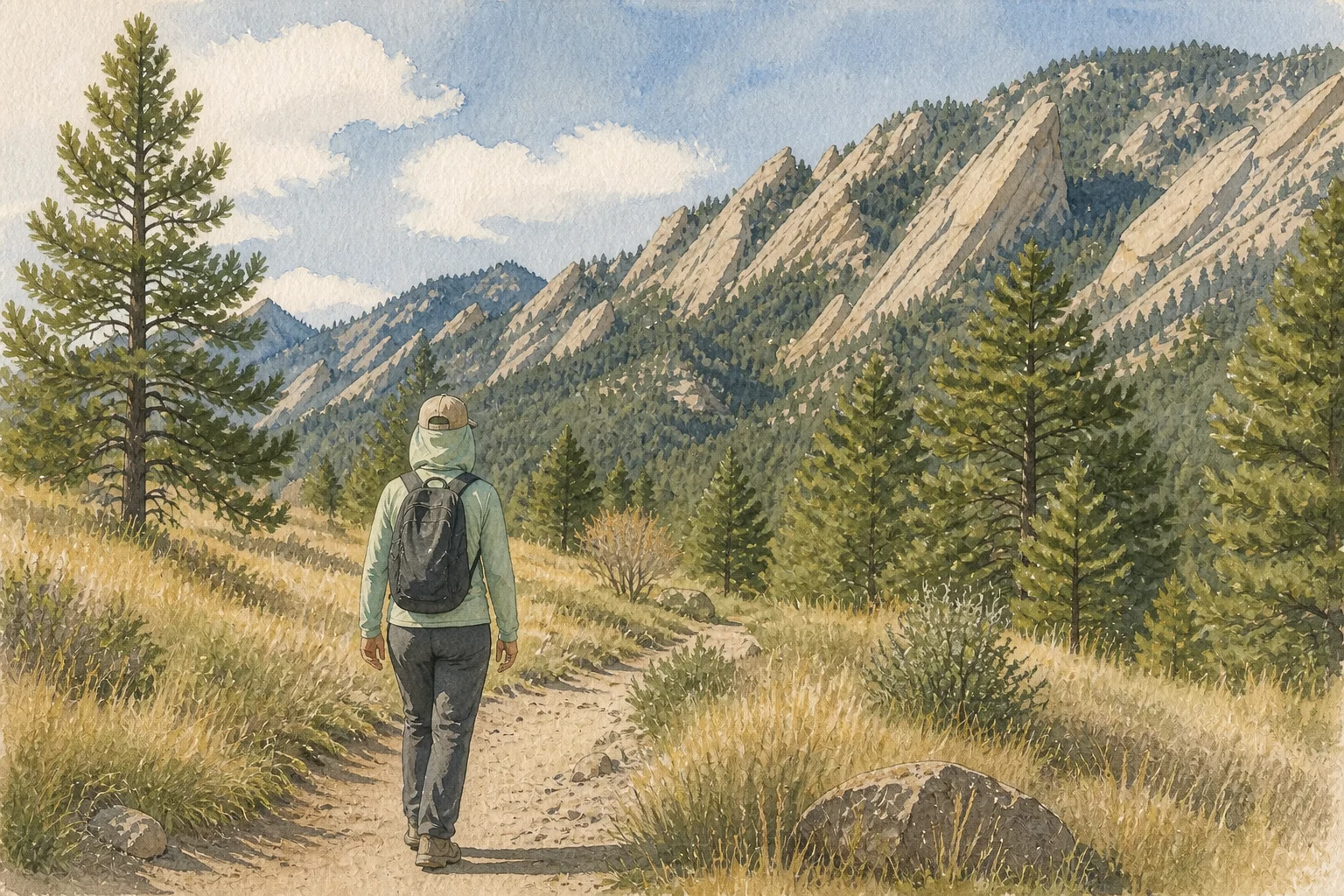
The atmosphere absorbs some ultraviolet radiation. At higher elevations, there is less atmosphere overhead, so more UV reaches the skin. The EPA estimates that UV intensity rises about 2% for every 1,000 feet of elevation. Snow and water can add reflected exposure, and clouds do not block all UV.
Clothing does more work than most people give it credit for. Add shade when it is practical and broad-spectrum, water-resistant SPF 30 or higher on exposed skin. Check your skin for new or changing spots. Skin cancer is highly treatable when it is found early.
Skin cancer surveillance
Who needs regular skin exams?
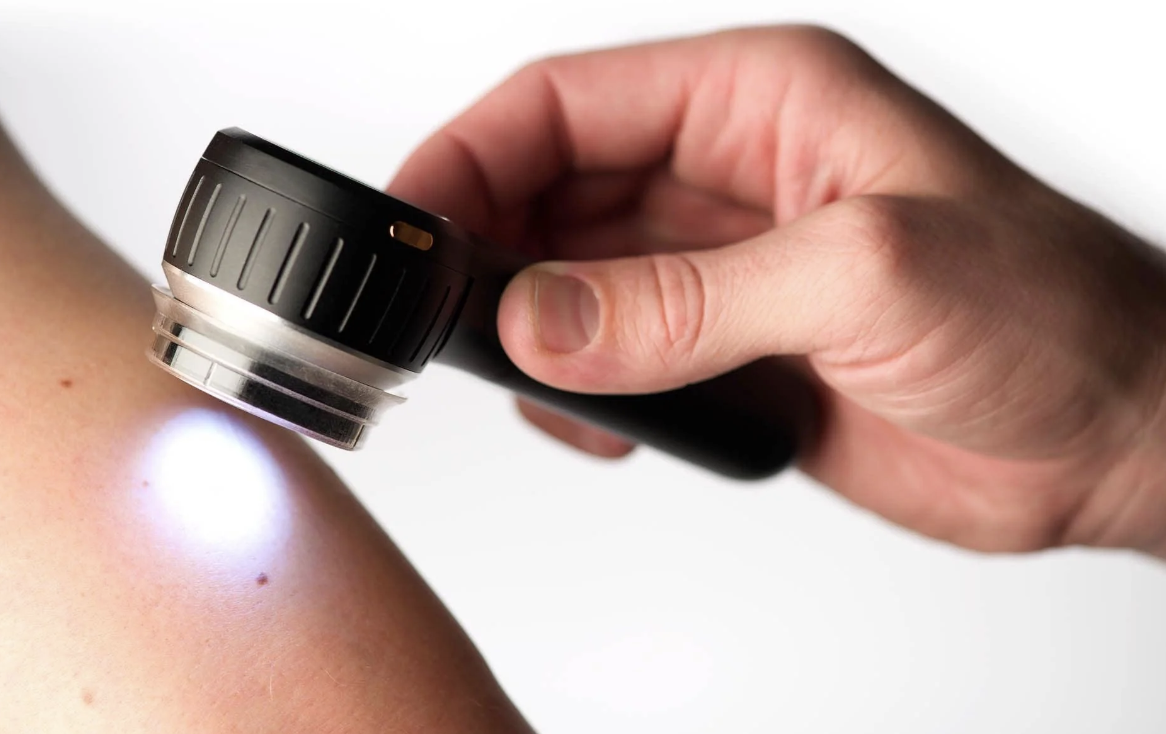
A full-body skin exam is a visual check from the scalp to the feet. When a spot needs a closer look, Dr. Flaten may use a dermatoscope, which provides a magnified, polarized view of structures below the skin's surface. A biopsy is still the only way to diagnose skin cancer.
There is no single schedule for everyone. Dr. Flaten recommends an interval based on skin type, sun exposure, number of moles, and personal or family history of skin cancer. Do not wait for a routine visit if a spot is new, changing, itching, bleeding, or simply looks different from the others.
Due for a skin check?
Dr. Flaten sees patients at Ideal Dermatology in Boulder. Call the office to schedule.
Call 970-667-3116